Science Behind Ceramic Coating: Beyond the Shine and Into Durability
When it comes to protecting your car's paint, most of us think about waxing or a quick polish. But ceramic coating takes things much further; it actually changes the surface on a tiny scale to make your car tougher and easier to clean. It's not just about making your ride shiny; it's about building a shield that can handle sun, dirt, and environmental damage for years. The science of how these coatings work reveals there's a lot more going on beneath the gloss than you might expect. Ceramic coatings are liquid materials made mostly of silicon dioxide (SiO₂) or silicon carbide (SiC) that stick to a car's original paint, creating a strong, tiny protective layer. This interim barrier offers hydrophobic properties, UV resistance, and chemical protection against contaminants like acid rain and bird droppings, all of which collectively extend the lifespan and appearance of automotive paint far beyond traditional waxes or sealants.
The Basics of Ceramic Coating
Ceramic coating acts like an invisible shield for your car's paint, but one that isn't just sitting on the surface. It actually bonds with the paint itself. The key ingredient in most ceramic coatings is silicon dioxide (SiO₂), sometimes enhanced with silicon carbide (SiC) in higher-end versions. These compounds create a durable, protective barrier at the nano-level. Imagine painting on a coat that solidifies to become part of the paint, rather than just something you can wipe away easily. This bonding occurs through a process known as a covalent chemical bond. Unlike traditional waxes or sealants, which merely form a layer that sits physically on top of the paint and can be worn off by washing or exposure, ceramic coatings integrate themselves into the clear coat layer underneath. This integration is why ceramic coatings last years instead of months and provide protection that isn't merely superficial.
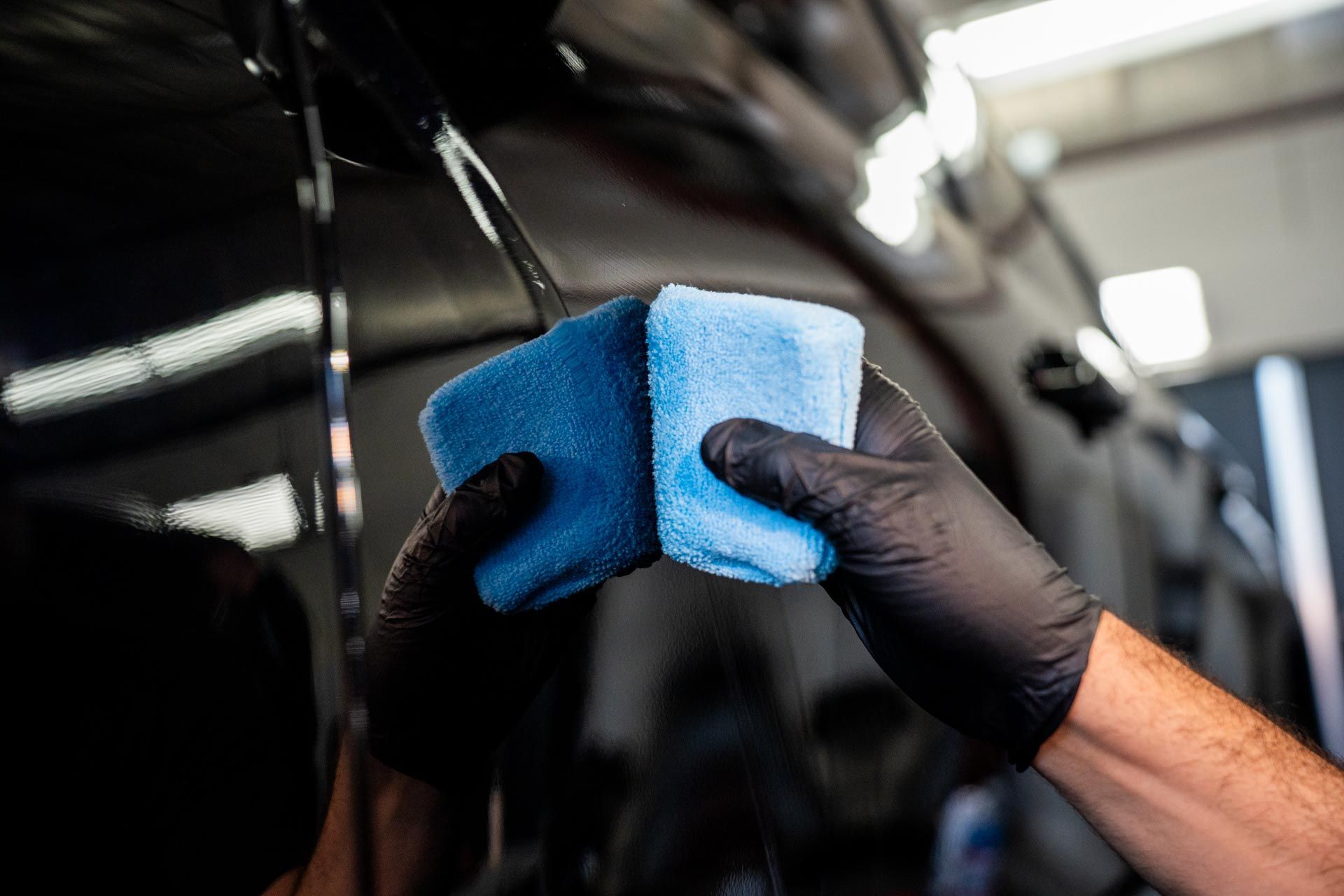
When applied correctly, the liquid polymer in ceramic coatings spreads evenly over your vehicle's surface. As it cures, usually within 12 to 48 hours depending on temperature and humidity, the SiO₂ or SiC molecules begin to crystallize, forming a tight matrix of microscopic glass-like structures. These tiny crystals create an exceptionally hard surface that dramatically improves resistance to damage compared to untreated or waxed surfaces. Think of it like turning your car's paint into a smooth sheet of hardened glass embedded right into the surface, rather than placing a fragile sticker on top. This durability also explains one of ceramic coating's hallmark benefits: its remarkable hydrophobicity. Water beads up and rolls off this surface almost effortlessly, taking dirt and grime along with it, making cleaning your car easier and less frequent.
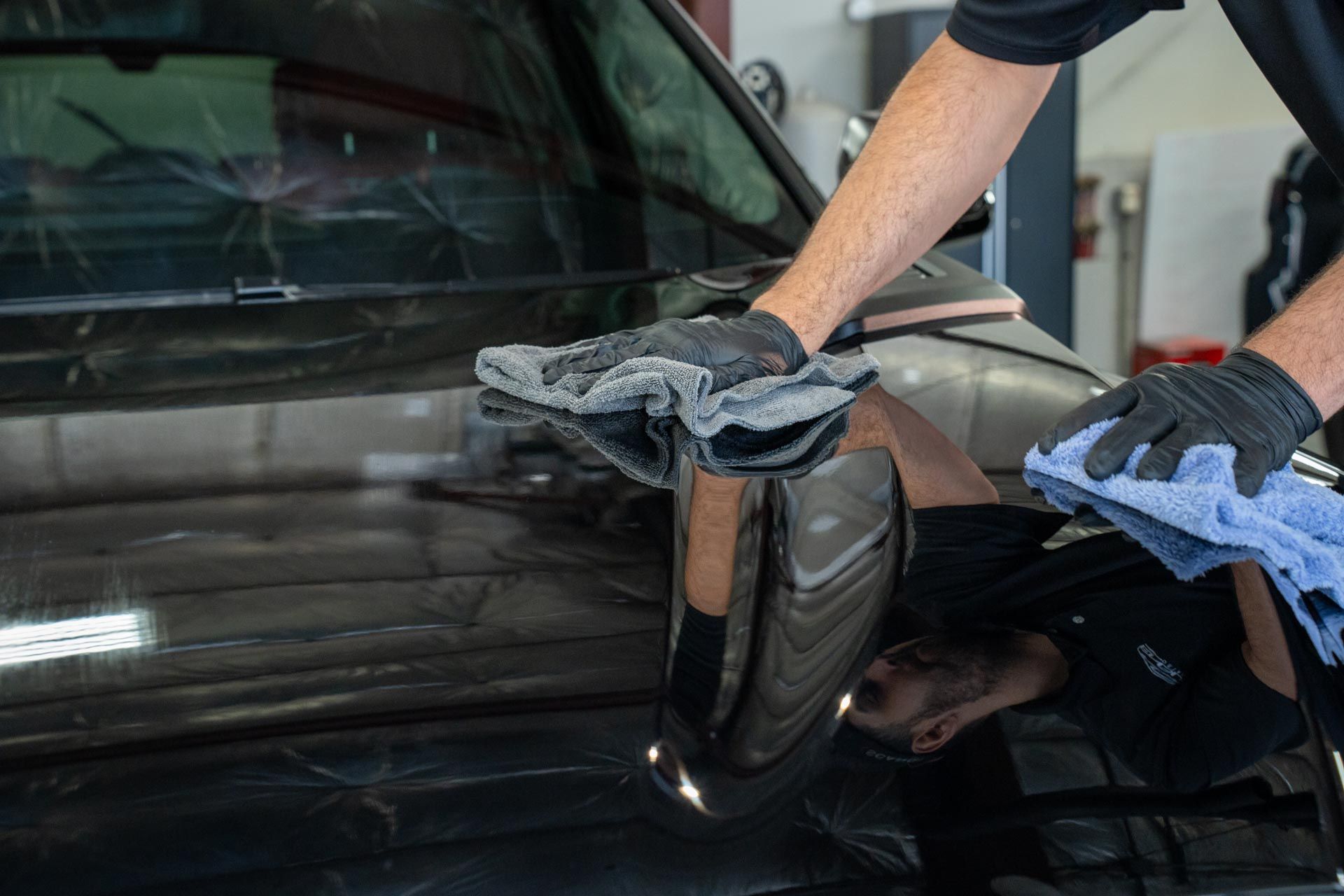
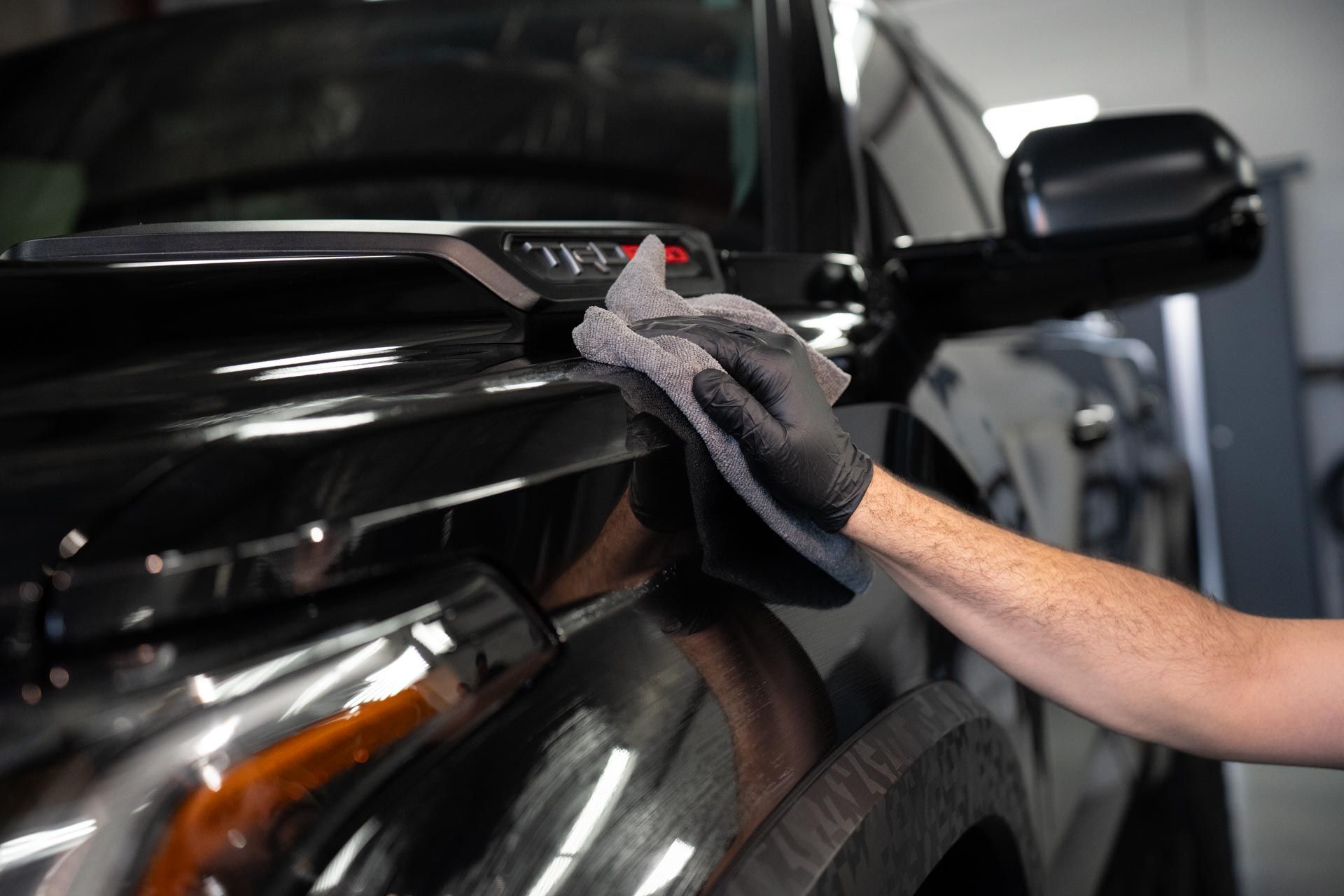
Moving beyond durability, this tightly bonded layer also grants chemical resistance that wax simply cannot match. Ceramic coatings repel acidic contaminants such as bird droppings, bug splatter acids, and even harsh detergents used in car washes. When these substances come into contact with coated paint, they cannot penetrate and cause damage as quickly or deeply as they would otherwise. Additionally, the nano-barrier formed reduces oxidation caused by UV rays, an environmental hazard that gradually fades paint colors over time. For best results, proper preparation before applying ceramic coating is essential. This process involves meticulous paint correction to remove imperfections and contaminants so the coating has a flawless surface to bond with. Skipping this step compromises both appearance and longevity.
Hydrophobic and Glossy Effects
One of the most noticeable qualities ceramic coatings bring to your vehicle is their exceptional hydrophobicity. Put simply, this means water doesn't spread out and cling to the paint but rather forms tiny droplets that bead up tightly and slide off with ease. The typical contact angle of water on untreated paint hovers around 70° to 80°, but thanks to ceramic coatings, this angle jumps dramatically to between 100° and 120°. This shift signals a drastic reduction in surface energy, transforming your car's surface into something much more water-repellent. Why does this matter? For starters, when water beads and rolls off quickly, it carries away dirt particles effortlessly instead of letting them settle as stubborn grime. This not only reduces the accumulation of dirt and contaminants but also helps prevent water spots, those pesky mineral deposits left behind after water evaporates.
Furthermore, by limiting standing moisture, ceramic coatings minimize the risk of etching from acidic water droplets or environmental fallout such as bird droppings or insect residues. Beyond just making cleaning easier, this hydrophobic action fundamentally changes how you care for your car. Instead of scrubbing against embedded grime week after week, you can wash less often or with gentler techniques. Dirt simply won't cling as stubbornly to the slick-coated surface, saving time and reducing wear from repeated washing. To maximize these benefits, keep in mind that maintaining the coating's hydrophobic quality involves gentle washing practices. Avoid harsh detergents that could strip the layer prematurely, and periodic inspections to catch any diminished performance early help extend the life of both your coating and paintwork underneath. But hydrophobicity isn't the whole story.
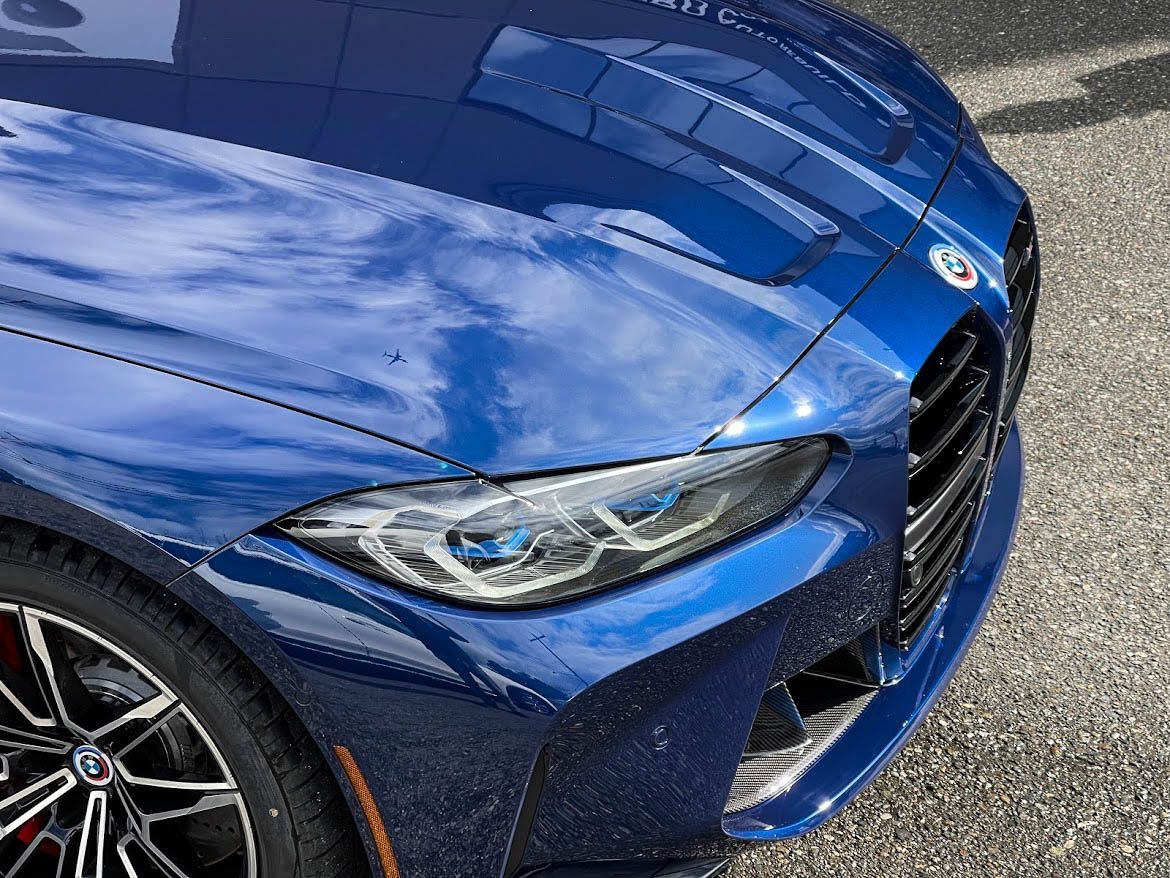
Ceramic coatings also significantly enhance gloss and reflectivity, creating that showroom shine everyone admires. The glossy effect stems mainly from the smoothness and uniformity of the silicon dioxide layer formed by ceramic coatings. This nano-thin film essentially fills microscopic imperfections and irregularities in your paint's surface. By evening out these tiny bumps and pits, light is reflected in a much more orderly fashion rather than scattering unpredictably. This enhanced shine is more than just eye candy. A smooth reflective surface is often a sign your paint is healthier beneath the coating because protection against UV rays and chemical exposure slows down oxidation, a primary cause of dullness and fading over time. With both hydrophobic and glossy properties working together, ceramic coatings deliver a striking blend of practicality and aesthetic appeal, offering a protective armor that gleams beautifully under sunlight while repelling harmful elements with ease.
Long-Term Durability and Resistance
Traditional waxes generally need to be reapplied every one to three months to maintain their protective qualities. In stark contrast, a quality ceramic coating can shield your vehicle's paint for anywhere between two to five years with proper care. This substantial leap in longevity is a game-changer for anyone invested in preserving their car's appearance over time. What gives ceramic coatings this incredible staying power? The secret lies mainly in their chemical composition, primarily silicon dioxide (SiO₂), which forms a strong, tightly bonded layer on the clear coat of your car's paint. This molecular bond creates a surface that resists many common threats that would otherwise degrade automotive finishes. UV radiation, which relentlessly fades paint colors over time, is largely deflected by this layer. Likewise, chemicals from road salt, acid rain, and grime have little effect because they can't easily penetrate the coating.
Picture your car parked under a tree on a sunny day. Bird droppings and tree sap are notorious culprits of paint damage because they contain acids and enzymes that eat through traditional finishes if left untreated. For an unprotected vehicle, these contaminants can etch profoundly into the paint surface within hours. However, with ceramic coating acting as an invisible shield, their destructive power is significantly blunted or nullified entirely. The hardened surface does not allow these substances to bond firmly to the paint, making cleanup easier and less risky. Maintenance also plays a pivotal role in prolonging effectiveness. Even the best ceramic coating requires occasional upkeep using compatible sprays or maintenance products designed to restore hydrophobic properties and gloss, as minor wear accumulates. Keeping the coated surface clean and free from contaminants ensures it doesn't lose its protective qualities prematurely.
Maintenance of Ceramic-Coated Surfaces
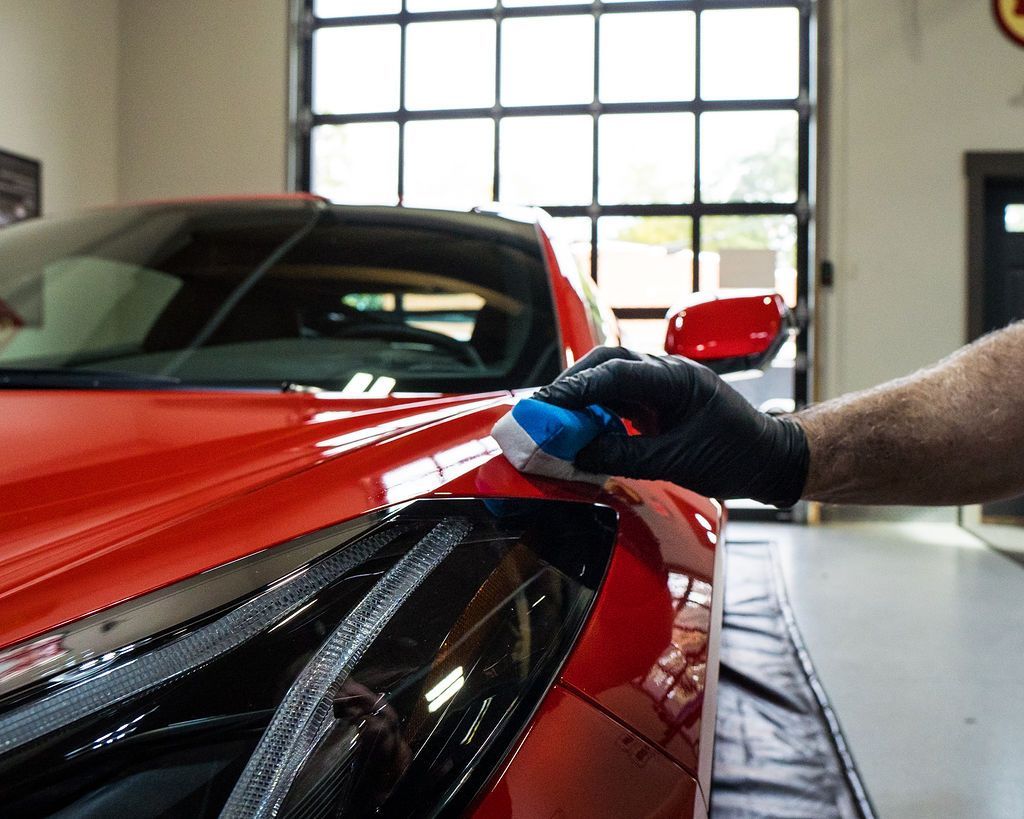
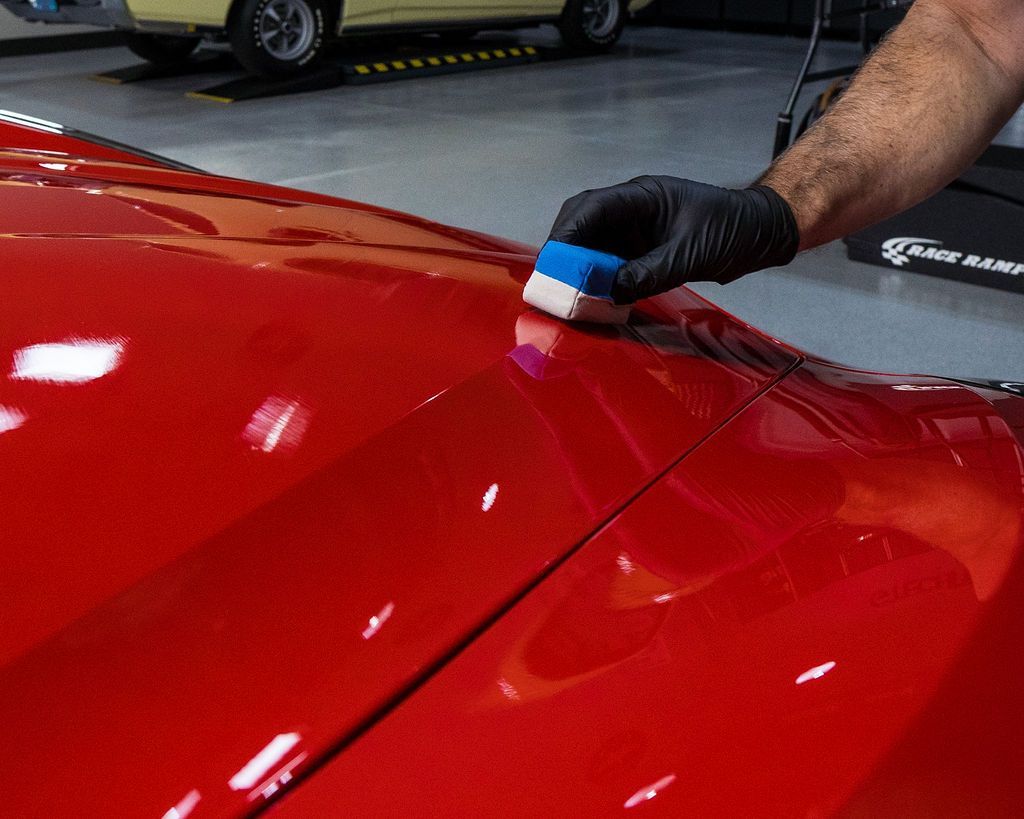
Although ceramic coatings create a durable, shiny shield over your car's paint, they aren't invincible. Like any protective barrier, they need regular upkeep to stay at their best. Cleaning your ceramic-coated car isn't just about aesthetics; it's about preserving durability and preventing damage from environmental aggressors like pollen, acid rain, and industrial fallout that cling stubbornly to surfaces. The first rule of maintenance is to use gentle products that respect the coating's chemistry. pH-neutral car shampoos are essential because harsh detergents can slowly degrade the ceramic layer, reducing its effectiveness and shortening its lifespan.
Washing technique matters just as much as what you use. The two-bucket method helps prevent damage: one bucket holds soapy water while the other rinses your mitt. Adding a grit guard ensures dirt particles sink below and don't get dragged across your paint. Washing frequency depends on how often your car faces dirt and grime. Vehicles parked outdoors demand more care because they encounter more pollutants and dust buildup than those stored in a garage. You'll notice when it's time; a visible haze or film forms on the surface, signaling that contaminants are bonding with the clear coat beneath the ceramic layer and potentially compromising it.
Regular inspection goes hand-in-hand with washing routines. Keeping an eye out for any loss of gloss or spots where hydrophobic properties seem diminished allows you to catch early signs of coating wear. At that point, applying a maintenance spray formulated for ceramic coatings every couple of months can refresh its water repellency and shine without the need for full reapplication. One final point worth emphasizing: always pre-rinse your vehicle before contact washing. This simple step removes loose dust and pollen through water pressure alone, reducing friction during washing and maintaining your flawless finish.
Maintaining a ceramic-coated surface isn't complicated but demands thoughtful attention to detail: choosing appropriate products, employing smart washing methods, noticing subtle shifts in appearance, and following regular upkeep schedules. When done well, these habits extend the life of your investment far beyond ordinary waxing routines, letting you enjoy that dazzling shine day after day. By understanding the science behind ceramic coatings and maintaining them properly, you ensure your vehicle stays protected and looks stunning for years to come.
Premium Ceramic Coating Services in Kirkland, WA
Give your vehicle the lasting brilliance it deserves with Prestige Auto Salon’s
top-tier ceramic coating services
in Kirkland, WA. Our expert team applies advanced coatings that create a durable, mirror-like finish while defending your paint from UV rays, dirt, and daily wear. Whether you drive a sleek sports car or a family SUV, our precision and care ensure unmatched gloss and long-term protection. Experience the perfect blend of science and craftsmanship that keeps your car shining day after day.
Schedule your ceramic coating appointment with Prestige Auto Salon today!